

How to Make Homemade Salad Dressing (Simple Everyday Cooking Skill)
If you’ve only ever used bottled dressing, you may be surprised at how delicious homemade salad dressing can be. It tastes fresher, uses simple ingredients, and comes together in just minutes.
Once I learned how easy it was to make my own, I wondered why I had been buying store-bought dressing for so many years.
The truth is, salad dressing can be ordinary… or it can make your salad absolutely delicious. A flavorful homemade salad dressing can turn a basic bowl of greens into something you genuinely look forward to eating.
And the best part? This is one of the easiest things you can make from scratch.
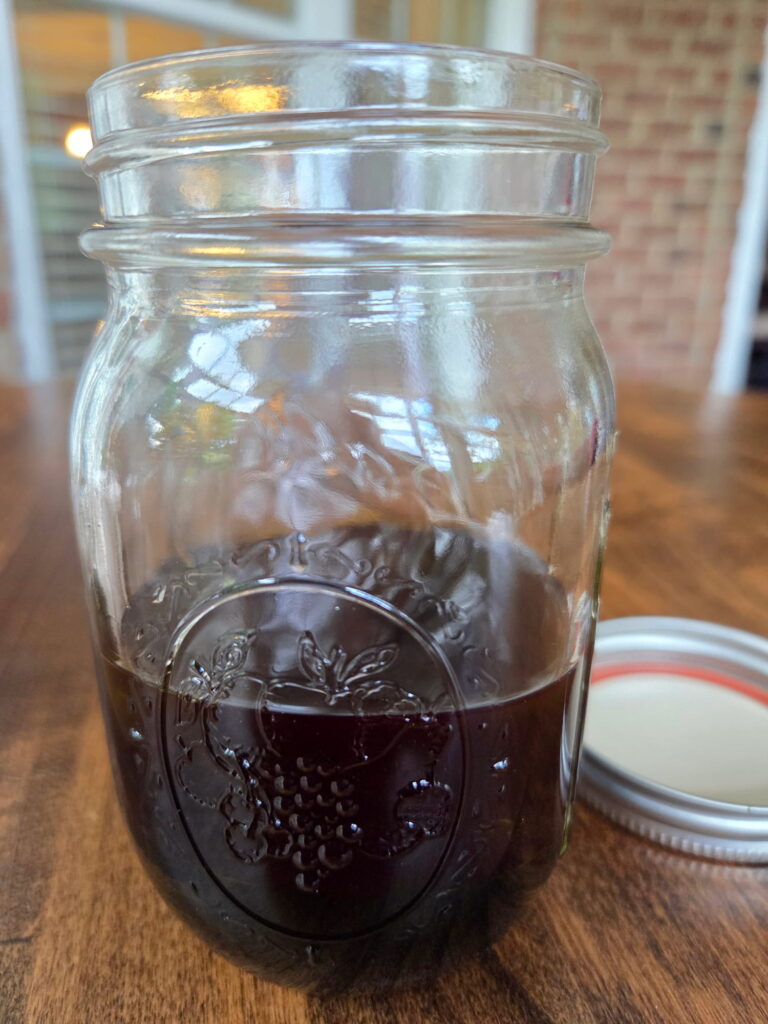
Why Homemade Salad Dressing Tastes Better
For years, I thought I just didn’t enjoy oil and vinegar dressings. Anytime I tried making one at home, it tasted harsh or bitter.
Then I realized something important: quality ingredients matter.
When I started using high-quality olive oil and vinegar, everything changed. Suddenly, salad dressing tasted rich, balanced, and flavorful instead of sharp or unpleasant.
Just like many simple recipes, the better the ingredients, the better the final result.
Why Homemade Salad Dressing Is Better Than Store-Bought
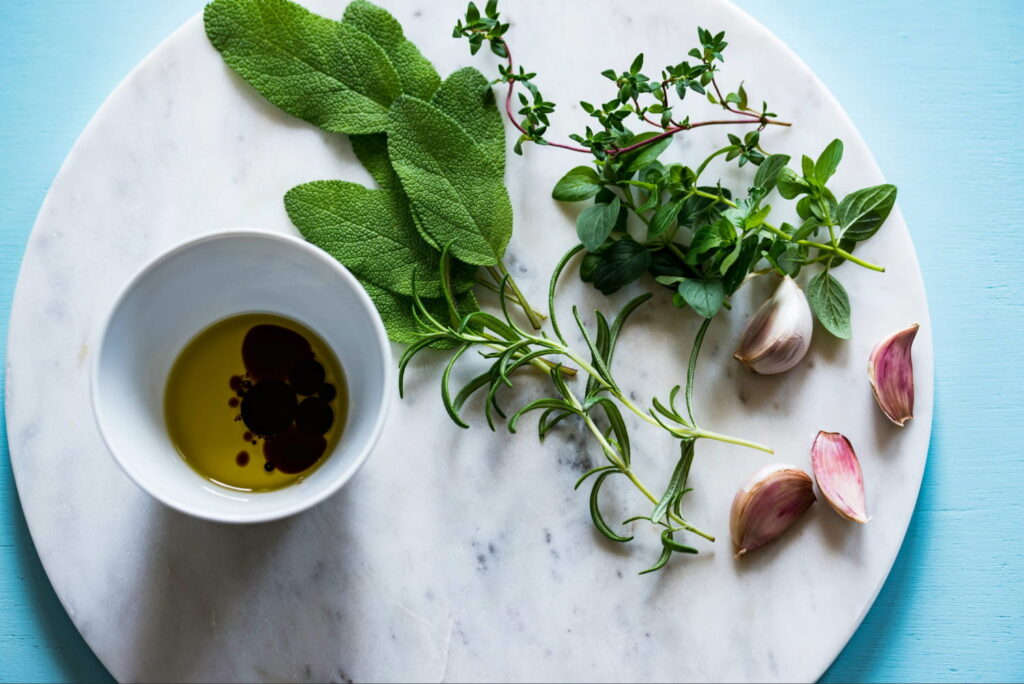
Making your own dressing has several advantages:
- Fresher flavor
- No unnecessary additives or preservatives
- Better quality oils
- Adjustable sweetness and salt
- Endless flavor options
- Often more affordable over time
Once you start making homemade salad dressing, it can be hard to go back. My family loves this so much that they now want salads every night!
The Simple Formula
This basic recipe is so simple that once you learn it, you can create endless variations right in your own kitchen.
Ingredients
- Olive oil
- Vinegar
Optional Ingredients:
- (Optional) Pinch of Salt
- (Optional) Honey
- (Optional) Grated Onion
- (Optional) Herbs
- (Optional) Lemon or Lime Juice
That’s it! You’re now ready to make homemade salad dressing anytime you’d like. Start with this basic recipe with quality ingredients, then experiment with variations of some added ingredients (see below.)
For full ingredients, jump to recipe below:
Jump to RecipeWhat Is the Best Oil-to-Vinegar Ratio?
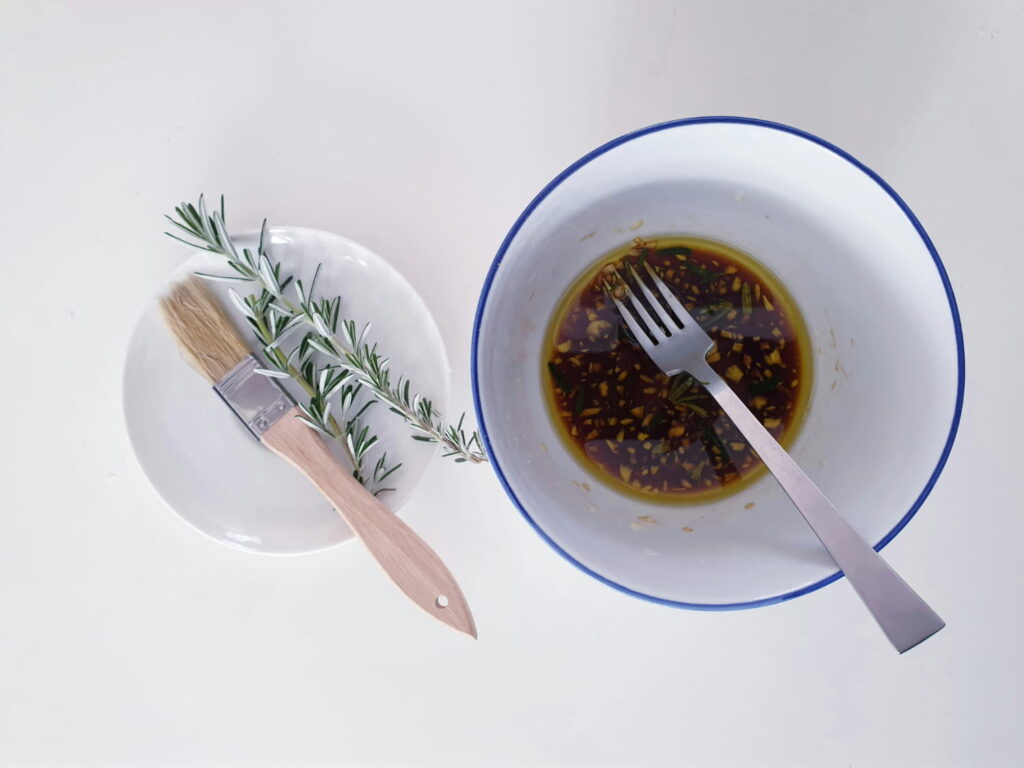
I personally enjoy equal parts oil and vinegar for bold flavor. This only works though if you have a high-quality vinegar that is not too bitter, though.
However, many classic vinaigrettes use:
- 3 parts oil to 1 part vinegar for a milder taste
- 2 parts oil to 1 part vinegar for a balanced flavor
- 1 part oil to 1 part vinegar for a brighter, tangier dressing
Start with the ratio you enjoy most and adjust from there.
Best Ingredients for Delicious Homemade Salad Dressing
Product Disclaimer: On Amazon product links below, I make a small commission. I only recommend products I truly believe in though. For other links, I am not making any commission.
Olive Oil
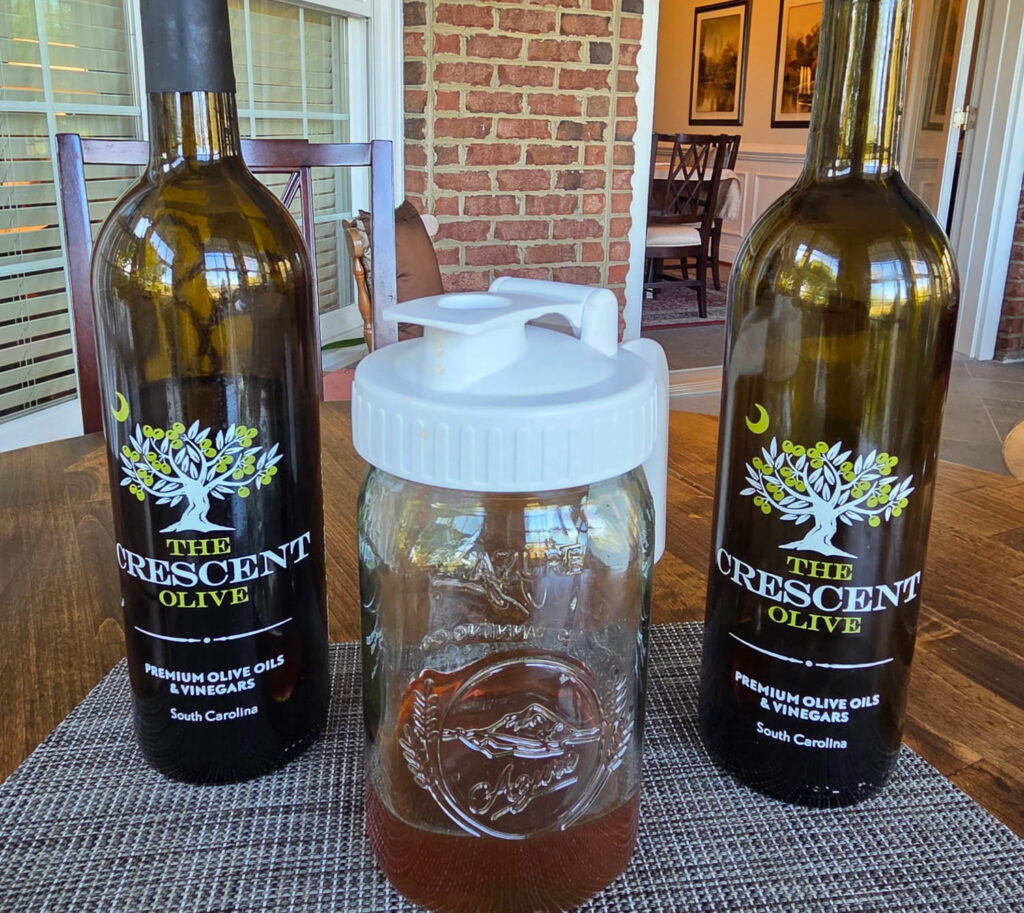
I usually use olive oil because it has wonderful flavor and is a staple in our home. Choose the best quality olive oil you can for the best taste. I get mine from a specialty olive oil shop in South Carolina, The Crescent Olive. They can ship products in the mail. I’ve also gotten a delicious Fig Vinegar for years either at Amazon or at my local Italian Cafe.
Other Oils to Try
You can also experiment with the following. I would avoid seed oils though.
- Avocado oil
- Walnut oil
- Toasted sesame oil
- Herb Olive Oil
Vinegar Choices
Different vinegars can completely change the flavor of your homemade dressing. Some favorites include:
- Balsamic vinegar
- White balsamic vinegar
- Raspberry balsamic vinegar
- Strawberry balsamic vinegar
- Fig vinegar
- Apple cider vinegar
- Red wine vinegar
Flavored vinegars are one of the easiest ways to create gourmet salad dressing with almost no extra work.
Salt
You want to use unprocessed salt such as Redmond’s Real Salt or Himalayan Salt. I prefer Redmond’s because I’ve done a lot of research on it and trust their consistent quality and nutrition. Celtic Salt is another good option.
Health Education Tip: These salts aren’t just sodium but also contain electrolytes which help your body absorb nutrients because they are in their natural form containing the proper God-given balance of nutrients. Don’t just use white table salt. See this video for a physiology lesson on why our bodies need salt. I find these nutrition lessons fascinating! Here’s a longer version if you are really interested in learning a lot.
Easy Variations to Try
Once you master the base recipe, you can customize your dressing in countless ways.
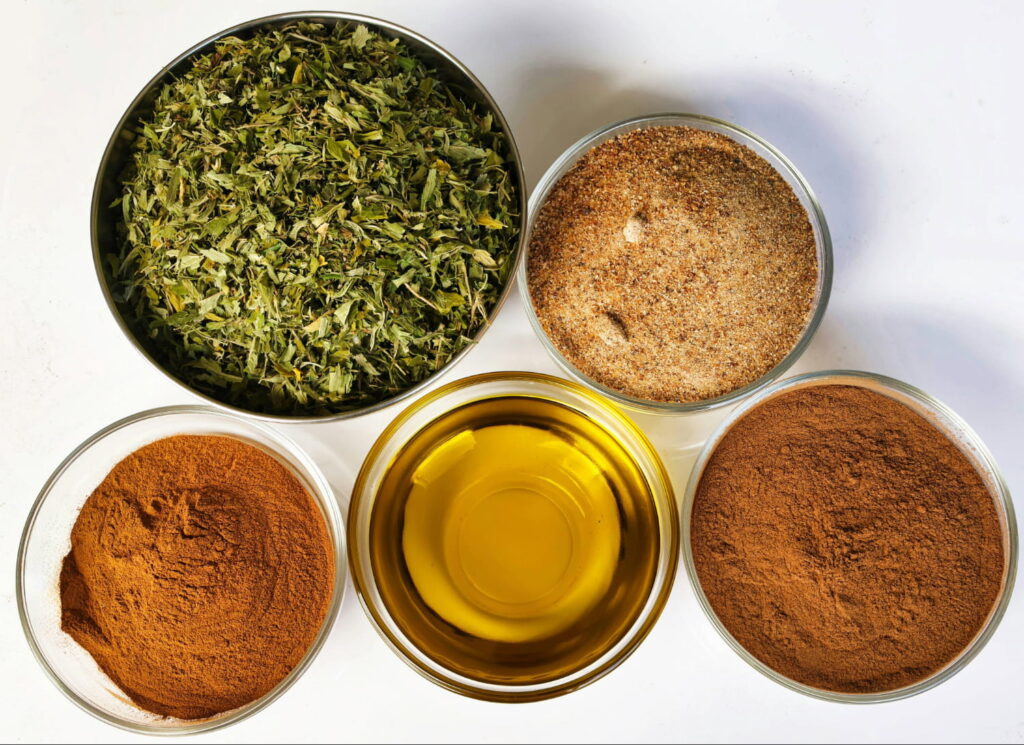
Garlic Herb Dressing
Add:
- 1 clove minced garlic
- Fresh or dried herbs such as basil, oregano, parsley, or thyme
Honey Dressing
Add:
- 1 teaspoon honey
This gives natural sweetness and balances tart vinegar beautifully.
Creamy Homemade Dressing
Add:
- 1 tablespoon plain Greek yogurt
- 1 teaspoon honey (optional)
This creates a creamy dressing perfect for salads, wraps, or dipping vegetables.
Onion Dressing
Add:
- 1 tablespoon finely minced onion or shallot
This adds flavor and a little extra texture.
Berry Balsamic Dressing
Use raspberry or strawberry balsamic vinegar for a sweet, fruity flavor that pairs wonderfully with spinach salads.
Tips to Make Homemade Salad Dressing Even Better
A few small tips make a big difference:
- Use fresh ingredients
- Taste and adjust after shaking
- Add salt a little at a time
- Let dressing sit for 5–10 minutes before serving so flavors can blend
- Shake again before pouring
- Store in glass whenever possible for best freshness
Ways to Use Homemade Salad Dressing
Of course it’s delicious on green salads, but don’t stop there. You can use this dressing on meat, grains, pasta or vegetables. The delicious flavor spreads throughout upgrading or changing up your regular meals.
Try it as:
- Marinade for chicken or steak
- Drizzle over roasted vegetables
- Dressing for pasta salad
- Sauce for grain bowls
- Topping for sliced tomatoes or cucumbers
- Drizzle over grilled vegetables
Homemade Salad Ideas
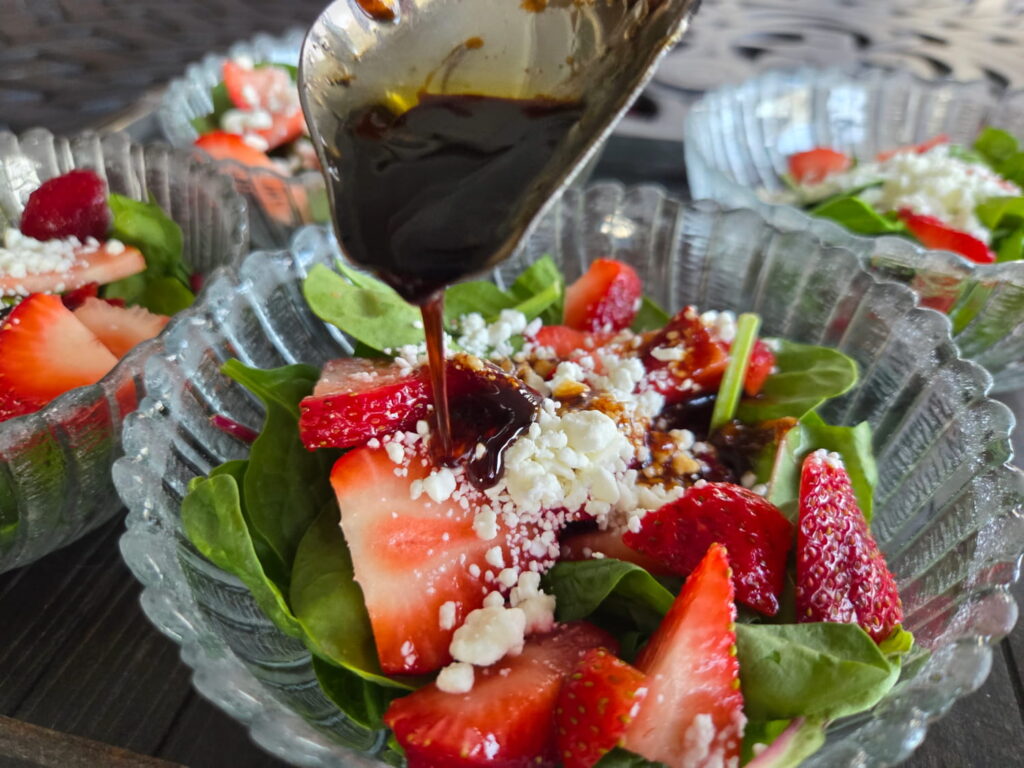
This dressing pairs especially well with:
- Spinach salad
- Garden salad
- Cucumber tomato salad
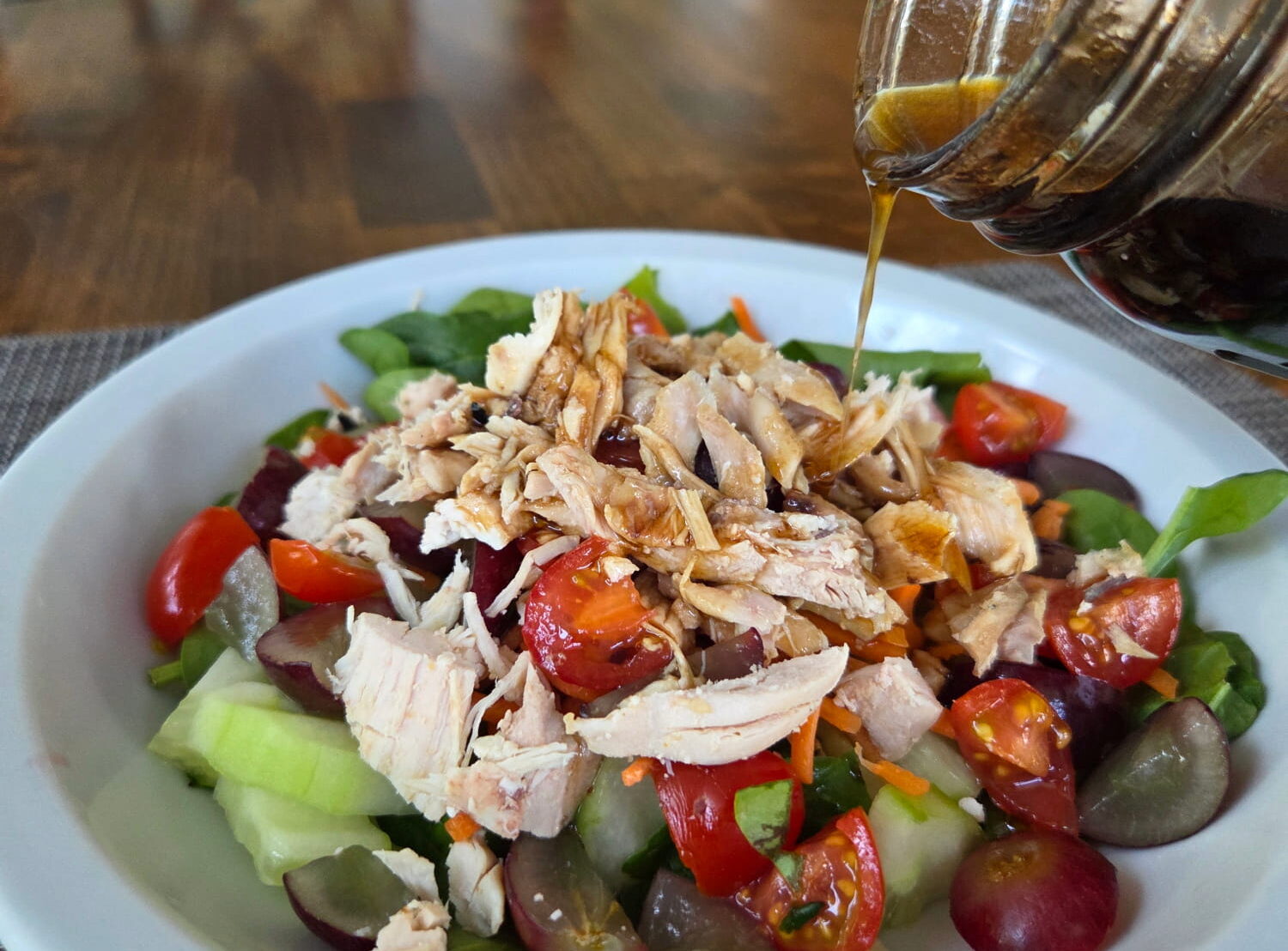
- Grilled chicken salad
- Pasta salad
- Strawberry spinach salad
How to Store Homemade Salad Dressing
I like storing homemade salad dressing in a small mason jar in the refrigerator.
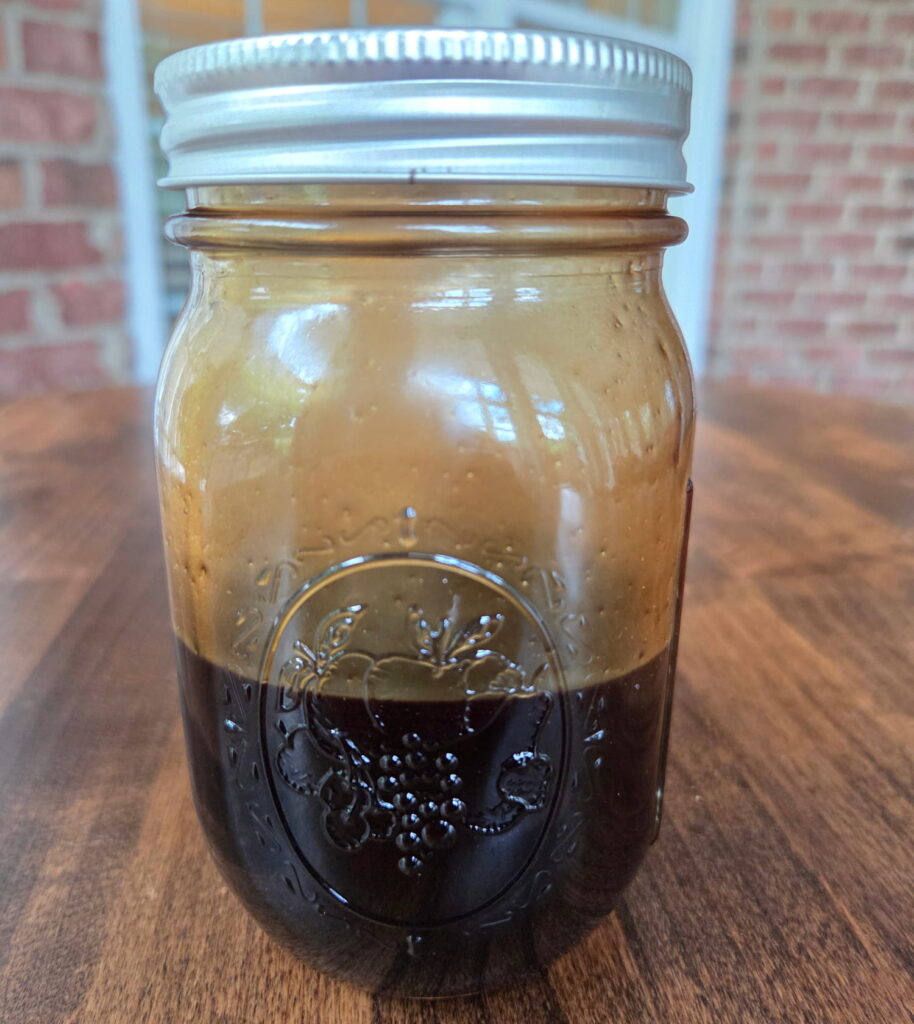
Storage Tips
- Keep refrigerated
- Shake before each use
- Use within 1–2 weeks for basic oil and vinegar dressings
- Dressings with yogurt, garlic, onions, or fresh herbs are best used within 3–5 days
- If olive oil firms up in the fridge, let it sit at room temperature for a few minutes and shake again
Frequently Asked Questions
How long does homemade salad dressing last?
Most simple oil and vinegar dressings last 1–2 weeks in the refrigerator.
Do I need to refrigerate it?
Yes, especially if using garlic, yogurt, onions, or fresh herbs.
Why does homemade salad dressing separate?
Oil and vinegar naturally separate over time. Simply shake or whisk again before serving.
Can I use homemade salad dressing as a marinade?
Absolutely. It works wonderfully for meats and vegetables.
Is homemade salad dressing healthier than store-bought?
Often yes, because you control the ingredients, oils, sweeteners, and salt levels.
Should I dress salad right away?
Wait until just before serving so lettuce stays crisp and fresh.
Final Thoughts
That’s it—you now know how to make homemade salad dressing in minutes.
Once you start making your own, you may never want to buy bottled dressing again. It’s fresher, more flavorful, easy to customize, and made with ingredients you choose yourself.
Sometimes the simplest homemade things really are the best.
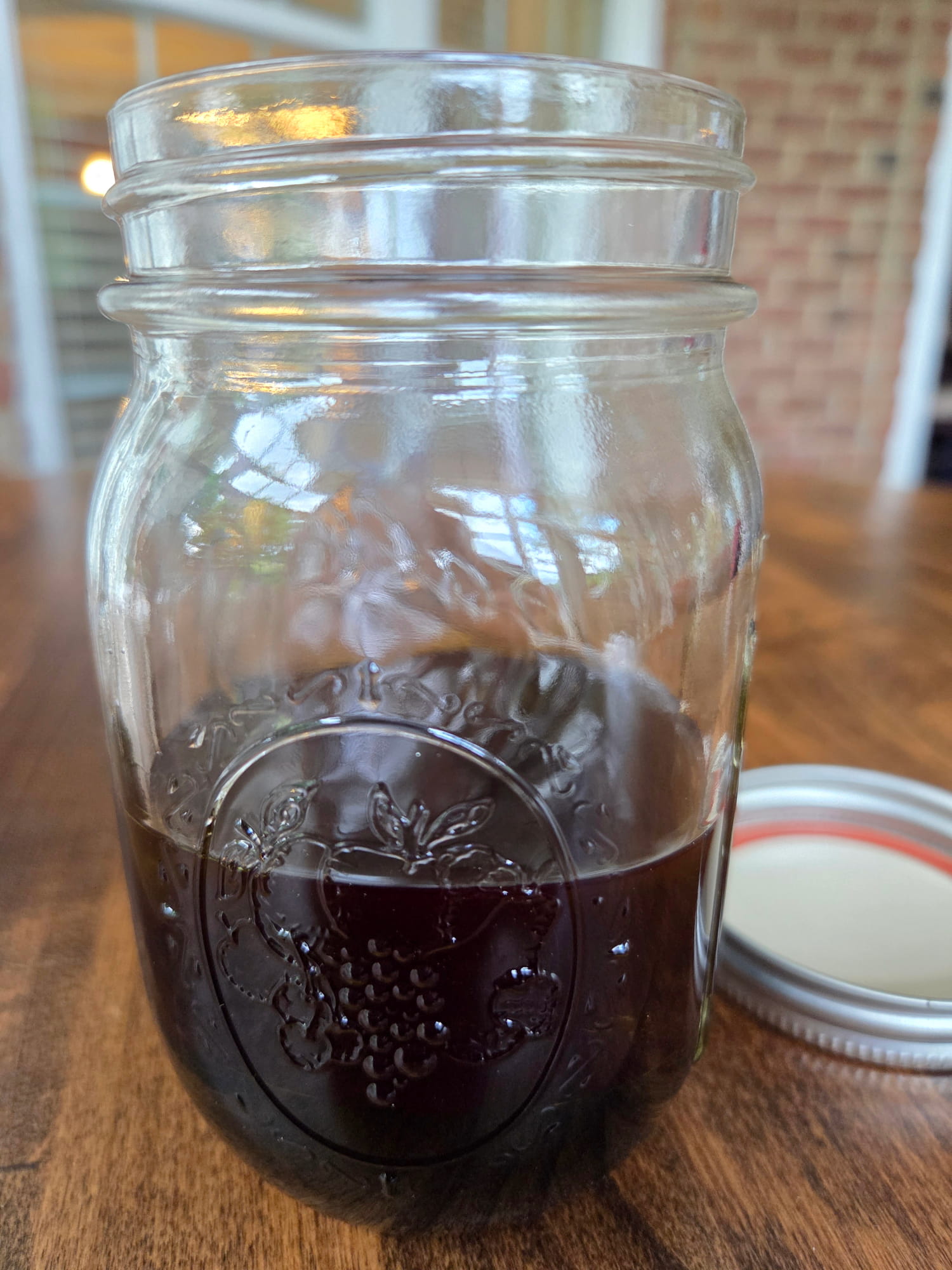
Basic Homemade Salad Dressing Recipe
Ingredients
Equipment
Method
- Add all ingredients to a small mason jar or container with a lid.
- Seal tightly.
- Shake until well combined.
- Taste and adjust if needed.
- Pour over salad and enjoy.